We have two exciting upcoming events in October. Check out the World Menopause Day Celebration…

Reduce Your Risk of Serious Illness & Stay Healthy
|
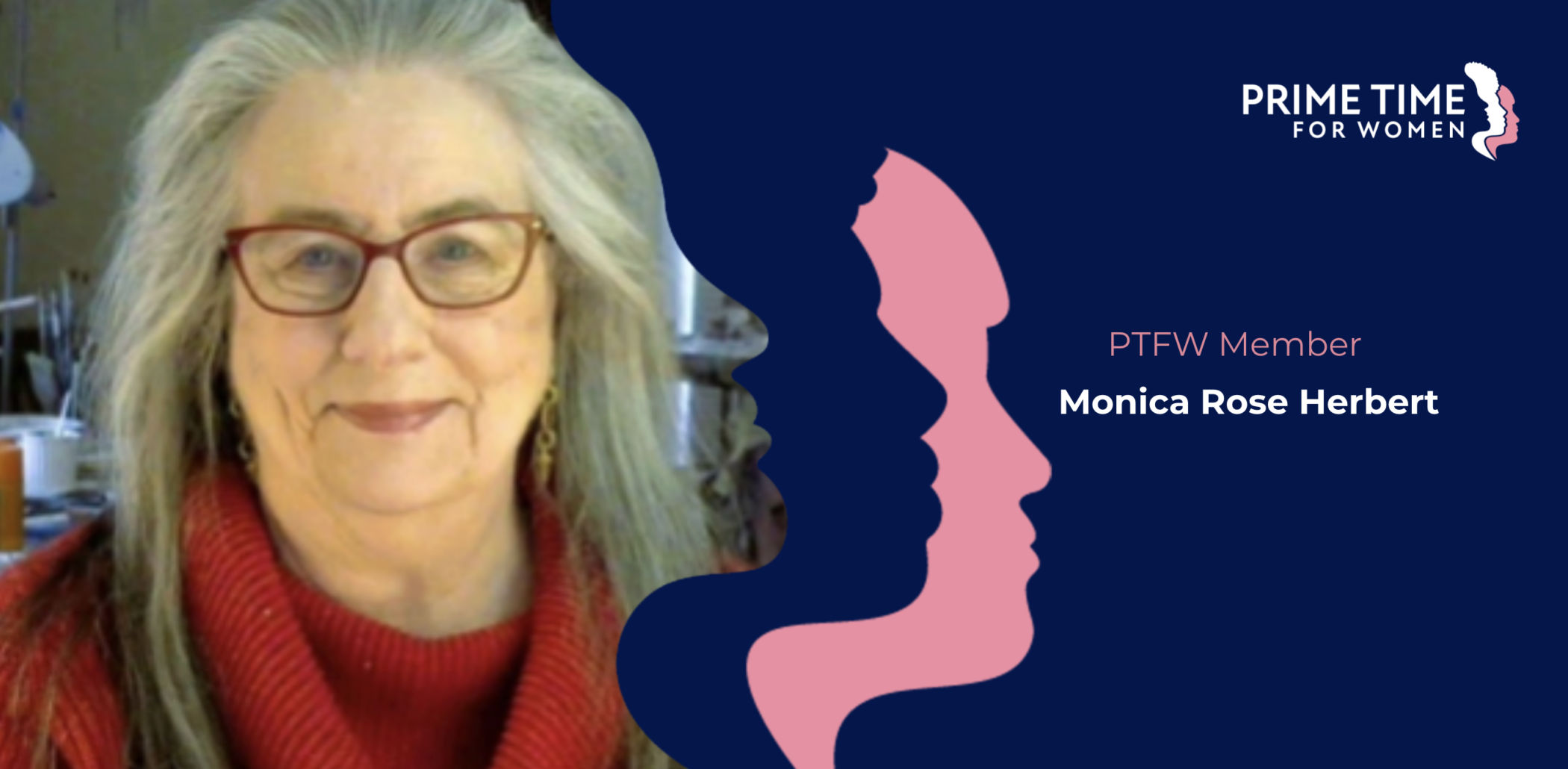
National Immunization Awareness Month (NIAM)is observed every August to highlight the vital importance of vaccination for people of all ages. It serves as a key time to review your vaccination record with your medical provider and catch up on routine shots in preparation for upcoming seasonal illnesses. Last year, at age 67, I frequently joked that I hadn’t had so many vaccines since I was two years old! I was fortunate to have three new grandchildren about to be born and all three of my adult children reminded me how important it was for me to get a Tdap booster to help protect their newborns from pertussis, which back in my day was known as whooping cough. Naturally, I went straight to the pharmacy and got the Tdap vaccine so I could hold each grandchild within hours of them being born. That was just the beginning. Ever since my father was hospitalized with serious complications from the flu, I make sure I get the annual flu shot as recommended by my primary healthcare provider as well as two doses of the Covid vaccines six months apart. While I was waiting at the pharmacy to receive my Covid booster, the pharmacist asked if I had gotten a shingles vaccine, which my primary care provider had also recommended. She explained that I would need to receive two-doses of the vaccine but said it would give me lifetime protections. As a young adult I had shingles and it was incredibly painful! Since I never want to experience that kind of pain again, I said, “Sign me up!” Lastly, mainly because my husband received the Pneumococcal vaccine, which is also a once in a lifetime shot, I said, “What the heck, give it to me too!” I know it sounds confusing but most senior vaccines (Flu, RSV, COVID, Shingles and Pneumococcal) are inactivated or recombinant. There is no required medical waiting period between them. You can even get them on the same exact day or separate them by a few days or weeks. Here’s some more good news: for most seniors, these vaccines are highly accessible because Medicare Part B fully covers the Flu, Pneumococcal, and COVID-19 vaccines and Medicare Part D fully covers the Shingles and RSV vaccines, meaning no copay or deductible applies when getting them at a pharmacy. Bottom line, I know not everyone get vaccines but for me, they give me a sense of control, like I am hedging my bets and limiting my risks of getting gravely ill. |
For more information check out website for The Centers for Disease Control and Prevention (CDC) which explicitly recommends six essential vaccines for seniors to protect against severe illness, hospitalization, and long-term complications. As the immune system naturally weakens with age, staying current on these immunizations is critical for maintaining independence and health.
1. Influenza (Flu)- Once per year.
- Frequency: Annually, ideally in September or October.
- Special Note: Adults aged 65 and older should request the higher-dose or adjuvanted flu shot, which provides stronger protection than standard vaccines.
2. COVID-19
- Frequency: Since protection fades over time, unless advised differently, it is recommended that adults over 65 you receive two doses of the updated seasonal vaccine per year.
3. Shingles (Zoster)
- Eligibility: Healthy adults aged 50 and older.
- Frequency: A two-dose series of the Shingrix vaccine, taken 2 to 6 months apart. It provides over 90% protection against shingles and long-term nerve pain. Once in lifetime.
4. Pneumococcal Disease
- Eligibility: Recommended for adults aged 50 and older to prevent severe infections like pneumonia, meningitis, and bloodstream infections.
- Frequency: Typically, one dose per lifetime
5. Respiratory Syncytial Virus (RSV)
- Eligibility: Recommended for all adults aged 75 and older, and adults aged 50–74 who are at an increased risk (e.g., chronic heart or lung disease, or living in a nursing home). Frequency: A single lifetime dose.
6. Tetanus, Diphtheria, & Pertussis (Tdap)
- Frequency: A booster shot every 10 years. Tdap is especially important if you are around newborn grandchildren, as it protects them from pertussis (whooping cough).

Related Posts