
We have two exciting upcoming events in October. Check out the World Menopause Day Celebration…

All Carbs Are Not Created Equal
Like most things, balance matters. Carbohydrates get a bad rap, especially for raising blood sugar, but they’re the body’s main energy source—fueling the brain, nervous system, and muscles.
The amount carbs you eat at a meal has the biggest impact on blood sugar, but not all carbs are equal. White rice can spike blood sugar almost like table sugar, while lentils cause a slower, smaller rise.
Choosing foods with lower glycemic index can helps control blood sugar, manage weight, and may lower the risk of diabetes, heart disease, and some cancers.
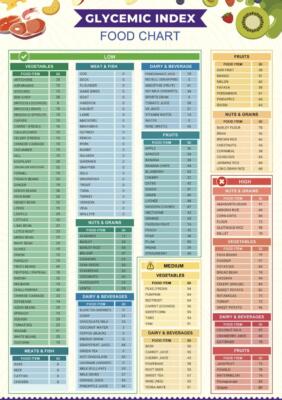
The glycemic index (GI) is a useful guide—it compares how foods affect blood sugar relative to pure glucose. Experts recommend choosing low-GI foods:
- Low (55 or less): most fruits, vegetables, beans, minimally processed grains, pasta, low-fat dairy, nuts
- Moderate (56–69): potatoes, corn, white rice, couscous, some cereals
- High (70+): white bread, bagels, crackers, cakes, doughnuts, many packaged cereals
In short: carbs aren’t the enemy—choosing the right ones makes all the difference.
According to Everyday Health, managing blood sugar isn’t just about what you eat—it’s also how and when you eat. A few simple strategies can help you get the most from a low-GI approach:
- Start with fiber, save carbs for last. Fiber- and protein-rich foods slow carb absorption.
- Drink up and make water your beverage of choice. Staying hydrated helps keep blood sugar from becoming too concentrated.
- Cook, then cool carbs. Cooling pasta, potatoes, and rice increases the resistant starch, which act similarly to fiber and helps slow digestion.
- Keep regular mealtimes. Consistency supports steadier blood sugar levels.
Having a few practical strategies makes healthy eating feel far more doable—here’s to keeping it simple and sustainable. Happy eating!

Related Posts