
On Wednesday night, November 11, more than 30 women came out to our place on…

When It Comes to a Healthy Diet, I Rely on Science
 I recently read an article in The New York Times titled “The Proponents of ‘Dark Nutrition’ Think Everything You Know About Food Is Wrong.” It explores a contrarian movement that challenges mainstream medical advice and established public health guidelines about nutrition. Instead, its followers embrace alternative dietary products and practices, relying heavily on personal experimentation and fringe online communities.
Interestingly, while proponents of this movement agree with traditional nutritional experts about the negative health effects of ultra-processed foods, their recommendations take a very different turn. They advocate consuming raw milk, raw eggs, and raw organ meats while eliminating vegetables and other plant-based foods. Mainstream medical and nutritional experts, on the other hand, recommend a balanced, anti-inflammatory eating pattern built around whole, nutrient-rich foods.
Since I’m more of a science-based kind of person, I thought I’d share some information about anti-inflammatory eating from Jennifer Cook, a health writer for Harvard Health Publishing.
What Is an Anti-Inflammatory Diet?
According to Jeanne Luongo, a dietitian at Harvard-affiliated Beth Israel Deaconess Medical Center, there is no single, officially recognized anti-inflammatory diet. However, research suggests that a Mediterranean-style eating plan is one of the best approaches to helping reduce chronic inflammation.
This way of eating emphasizes fruits and vegetables, whole grains, legumes, nuts, seeds, healthy unsaturated fats such as olive oil, and moderate amounts of dairy and lean protein.
Plant-based diets and the DASH (Dietary Approaches to Stop Hypertension) diet also emphasize foods that may help reduce inflammation.
The important thing to remember is that it’s your overall eating pattern—not any one food—that makes the biggest difference.
Anti-Inflammatory Foods: Add These to Your Diet
Here are five categories of foods that can help support a healthy inflammatory response:
- Omega-3 fatty acids: Found in fatty fish such as tuna, salmon, sardines, and mackerel, as well as soybeans, chia seeds, walnuts, flaxseed oil, and leafy greens like spinach, collard greens, and kale.
- Polyphenols: These beneficial plant compounds are abundant in brightly colored foods such as blueberries and blackberries. Tea, coffee, dark chocolate, apples, citrus fruits, onions, and soybeans are also good sources.
- Fiber: Legumes, whole grains (including oats, bran, and barley), fruits, and vegetables provide fiber that supports gut health and may help reduce inflammation.
- Unsaturated fats: Healthy sources include walnuts, almonds, and other nuts; sesame and pumpkin seeds; and plant oils such as avocado, olive, canola, flaxseed, and walnut oil.
- Probiotics: Yogurt, kefir, and refrigerated sauerkraut and other fermented vegetables contain beneficial microorganisms that support a diverse and healthy gut microbiome.
Foods That May Promote Inflammation: Limit These
Many foods associated with increased inflammation are also highly processed and tend to contain excessive amounts of salt, added sugars, and saturated fats. Try to limit:
- Ultra-processed foods, including microwaveable meals, chicken nuggets, dehydrated soups, sugary cereals, biscuits, and packaged sauces.
- Red meat, such as steaks and burgers, and processed meats, including bacon, hot dogs, sausage, and deli meats.
- Deep-fried foods, such as French fries. Healthier cooking methods include steaming, boiling, roasting, and lightly sautéing.
- Refined carbohydrates, such as white rice, white bread, and many baked goods.
- Sugary sodas and other sugar-sweetened beverages.
- Solid fats, including some margarines, shortening, and lard.
What Does an Anti-Inflammatory Menu Look Like?
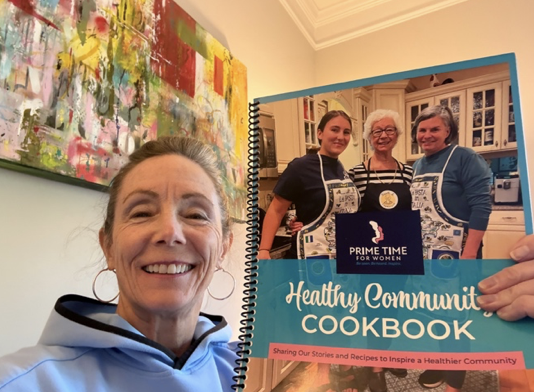
Healthy eating doesn’t have to be complicated or boring! For inspiration, check out recipes in Prime Time for Women’s Healthy Community Cookbook! Below are some meal ideas from Luongo that incorporate a variety of anti-inflammatory foods.
For snacks: Pair fresh fruit or vegetables with nuts or nut and seed butters. Try a plum with pistachios or carrot sticks dipped in sunflower seed butter.
Breakfast: Overnight Oats
Combine rolled oats, plant-based or cow’s milk, and plain Greek yogurt. Refrigerate overnight. In the morning, top with fresh or frozen berries, nuts, nut butter, or seeds such as chia or slivered almonds.
Breakfast: Avocado Toast
Spread half a mashed avocado over a slice of toasted multigrain bread. Top with an egg cooked in olive oil and finish with chili crisp or your favorite hot sauce.
Lunch: Lentil Salad with Sea Bass
Combine cooked lentils with diced red peppers and fresh herbs such as parsley, mint, or dill. Add a handful of arugula or baby spinach and top with oven-baked or air-fried sea bass. Drizzle with a dressing made from lemon juice, olive oil, and capers.
Lunch: Mediterranean Hummus Bowl
Start with a handful of baby spinach in a large bowl. Add one or two scoops of hummus, pickled red onions, olives, and crumbled feta cheese. Top with diced avocado, tomatoes, and cucumbers, then drizzle with olive oil. Add basil, oregano, or za’atar for extra flavor.
Dinner: Grilled Shrimp and Vegetable Skewers
Marinate zucchini, yellow squash, red onion, and cherry tomatoes in Italian dressing. Thread the shrimp and vegetables onto separate skewers and grill. Serve over brown rice.
Dinner: Sheet-Pan Chicken and Vegetables
Line a sheet pan with parchment paper. Place your choice of chicken breasts, legs, or thighs in the center and season with salt, pepper, and your favorite herbs. Arrange asparagus and green beans tossed with olive oil on one side, and halved baby potatoes tossed with olive oil, salt, and pepper on the other. Bake until the chicken reaches an internal temperature of 165°F. During the last five minutes, add chopped kale.
A Final Thought
I’m certainly not suggesting that we all need to follow a strict diet or give up the foods we enjoy. But I do believe we owe it to ourselves to make informed decisions about our health.
There is a lot of nutrition advice circulating online, and not all of it is backed by science. When it comes to what we eat, I prefer to rely on credible research and the guidance of qualified health professionals rather than the latest dietary fad.
After all, healthy aging isn’t about following every new trend. It’s about making thoughtful choices, one meal and one day at a time.

Related Posts