I am thrilled to announce that on March 6, 2026, PTFW will host its 3rd…
If You Want To Make a Difference, Tell a Story
My brother Doug and I grew up in West Philadelphia among storytellers – close at hand and further afield. Mom was a librarian and archivist. Daddy was a book dealer and sometimes worked as a cook in hospitals and orphanages, and as a community organizer.
By the time we kids came along, our parents’ birth families were scattered from NY City to California but still maintained our “ancestral roots” in western NY state and Brooklyn. We also had “created-family” in Philadelphia and beyond: my parents’ nearest and dearest friends, from our neighborhood and beyond – non-biological adopted Aunts, Uncles and Cousins. These people never hesitated to correct us, laugh at or admire as required – our faux-pas, egregious errors and occasional accomplishments.
Daddy was a “people-person” and consummate storyteller. His favorites included:
- Family stories about growing up in Western NY;
- His time as a sergeant in a segregated Black Army unit that built and repaired jeeps and combat equipment, constructed coral-bed-roads (using hugely powerful industrial extraction, grinding and rolling machines operated by a team of 6 to 8 men), and fed white troops – on the island of Saipan during WW2 interacting with Japanese prisoners of war and indigenous Saipanese men, women and children;
- Exciting ancestor stories passed on from his parents, grandparents and great-grands: most memorable were his bedtime tales of my great-great grandfather Henry Barnes, born enslaved in Virginia, sold away from his family at a tender age to Hagerstown MD, taught to read and write and trained as a “gardener and seedman”, finally escaping north to freedom across the PA border to Lewistown where he married and started what became that branch of our family.
Mom was a serious, no-nonsense stickler for distinguishing fact from fiction who taught me to love all kinds of books and legends, early on reading to me:
- A French language edition of Jean de Brunhoff’s Le Roi Babar, page-by-page out-loud in French and quickly translating the words to English;
- Greek myths about ancient gods, goddesses, heroines and heroes from Achilles, Aphrodite, Apollo, Ares, Artemis, Athena and on through the alphabet;
- And telling her own cautionary family stories – younger sister banished from home at age 16 after she went to buy a quart of milk and was sidetracked to a neighborhood party, staying out till the next morning; or their little brother jumping down a flight of stairs on a dare – smack into a glass door at his grade school – breaking the glass with significant damage to his own head.
But we heard and repeated stories constantly. At holidays and birthdays there were story gifts – first picture books, then fat volumes of poetry, illustrated cultural histories of civilizations around the world, many biographies.
The first stories I remember inventing myself came from my feeling that Mom was a worrier. I practiced telling my own version of events hoping she would contest my report – but eventually end up laughing – the same way Daddy could get her to laugh at his stories.
It took me years to reliably achieve that goal, but others – including my own children and nieces, were more appreciative. My brother was generally the fall guy in these stories which especially delighted the nieces. It took me another decade to realize the power of stories to bring people together in harmony for the greater good. As an educator in Maryland, traveling three counties assisting home-based child-care providers, day care center directors, nursery schools and after-school programs, plus parents searching for child-care – there were often conflicts in perspectives among these differing points of view. Communication barriers prevented collaborative solutions to common problems for our shared constituents – the children.
Stories I heard from each faction made incredibly powerful and persuasive anecdotes in any mixed gathering of families and professional caregivers. I found myself collecting these accounts for the sheer joy of sharing them.
Then I started meeting people who called themselves “storytellers”. And recognized that people I admired often had a special ability to articulate basic human truths – kindly and succinctly, often with a punch-line. I’m still having a lot of fun with that – and you can too. By just listening to the stories around you and of course, telling your own!
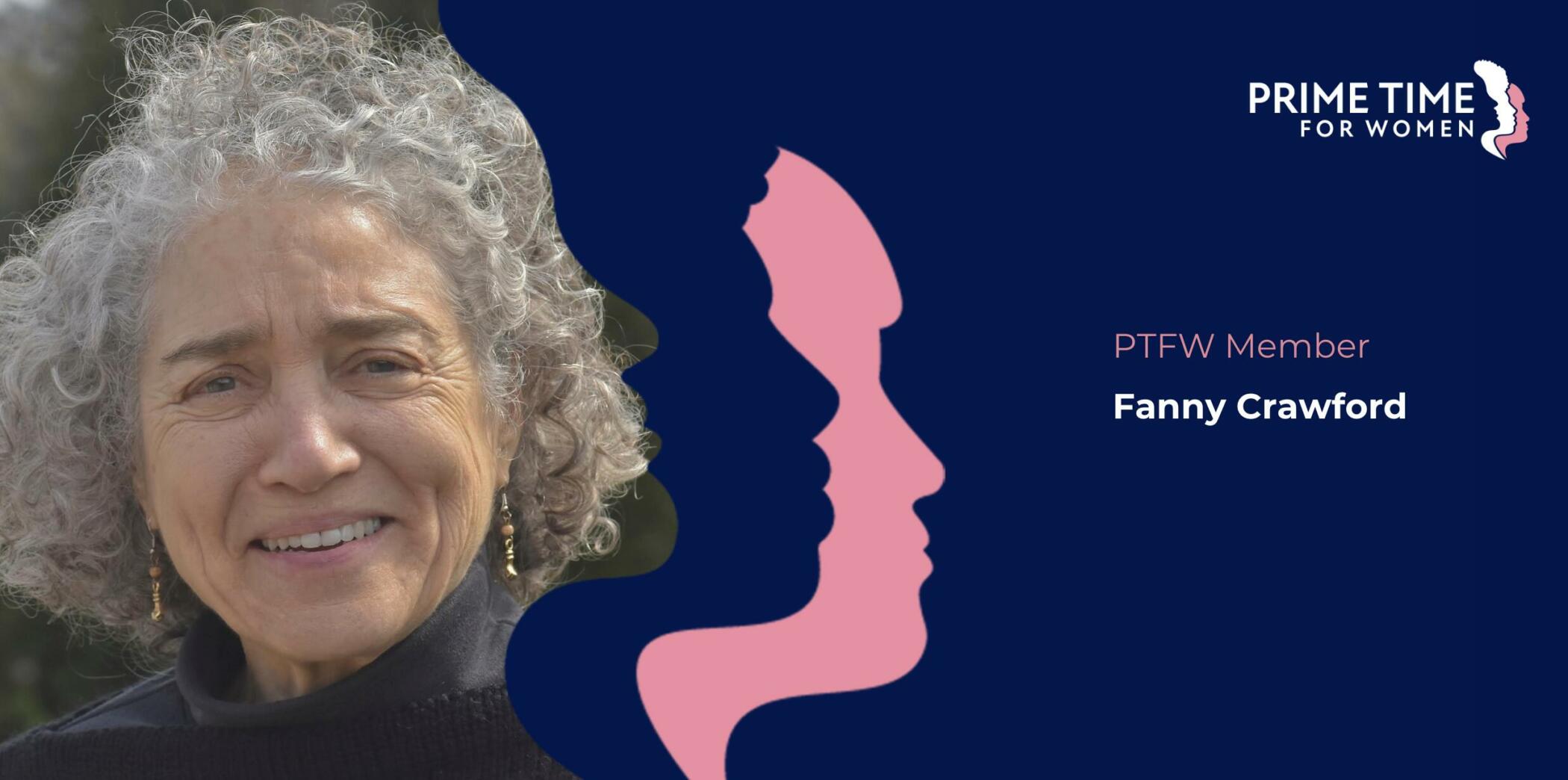
Fanny Crawford is a retired nonprofit director with a 45-year career in children’s health and education. Now a storyteller, she shares historical narratives, world folk tales, and original works across western Maryland. Her recent performances include story festivals, libraries, and a City of Hagerstown project collecting community stories.

Related Posts