I am thrilled to announce that on March 6, 2026, PTFW will host its 3rd…

Beyond Stroopwafels—A Dutch Innovation Changing Dementia Care
Many people believe stroopwafels are the best thing ever to come out of the Netherlands—and if you haven’t tried those delicious caramel-filled waffle cookies, you’re missing out! Thankfully, you can even find them at Target.
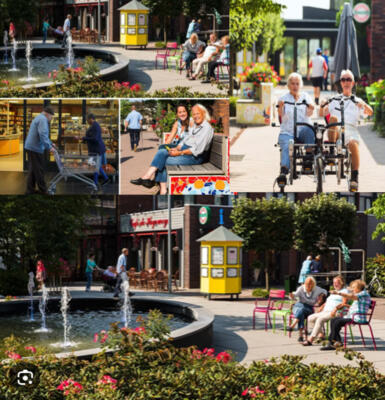
But in my opinion, something even more extraordinary has come from the Netherlands: Hogeweyk, the world’s first “dementia village.” This groundbreaking, gated community in Weesp is designed for people with severe dementia but feels nothing like a care facility. Instead of hospital-style hallways, residents live in one of 27 small houses and stroll through streets filled with shops, restaurants, a theater, and familiar neighborhood settings. Caregivers blend in as neighbors, helping residents maintain autonomy, social engagement, and a sense of normalcy—while significantly reducing reliance on antipsychotic medications.
Residents live independently, with support when necessary. They can garden, shop, go to the theater and visit the beauty salon, whatever they choose to do. They are encouraged to pursue their interests and afforded the opportunity to participate in daily life with dignity.
This innovative model has now expanded to nine other countries and is gaining traction in the U.S. In Sheboygan County, Wisconsin, a nonprofit called Dementia Innovations is developing LIVASU (“Live As Usual”), a 79-acre community inspired by the Dutch philosophy. And in Washington, D.C.—which has the highest dementia rate in the nation—plans are underway for a hybrid dementia village in Anacostia.
Here’s the thing: dementia is scary. Studies show nearly half of older adults fear it, and more than 80% want to reduce their risk. Yet the actual diagnosed prevalence of dementia in the U.S. in 2022 was around 4%—far lower than many people assume. Understanding the difference between normal aging and dementia symptoms can help reduce unnecessary worry.
And perhaps most reassuring: there are well-researched steps we can take to reduce risk. Washington University geriatric specialist David B. Carr, MD, recommends:
- Pursue lifelong learning.
- Stay engaged in community.
- Eat a nutritious diet.
- Exercise regularly.
- Manage chronic conditions (diabetes, hypertension).
- Maintain a healthy weight.
- Use hearing aids when needed.
- Limit or eliminate alcohol.
- Prevent head trauma.
- Avoid smoking.
- Get adequate sleep.
Here’s to taking positive steps—reducing dementia risk and releasing unnecessary fear.

Related Posts